
January 29, 2026
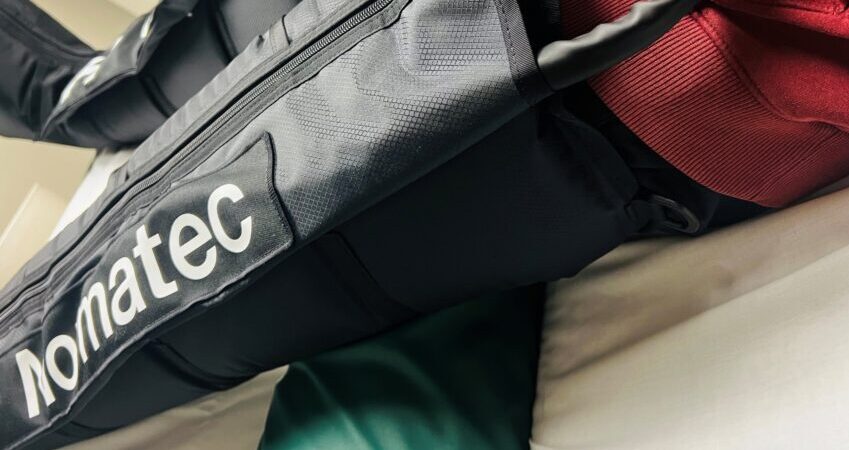
Compression boot therapy (also known as intermittent pneumatic compression) uses air-filled boots that gently inflate and deflate around the legs to support circulation and recovery. It’s a non-invasive, relaxing treatment widely used in athletic recovery, rehabilitation, and wellness care.
How It Works
The boots apply rhythmic pressure to the legs, similar to the natural muscle pump action that occurs when you walk. This helps:
- Move blood and lymphatic fluid more efficiently
- Deliver oxygen and nutrients to tissues
- Support removal of metabolic waste that contributes to soreness
This process may support enhanced circulation and recovery after physical activity or prolonged periods of inactivity.
Potential Benefits for Patients and Athletes
1. Supports Circulation and Blood Flow
Research shows compression can increase blood flow in working muscles during and after activity, which may support recovery processes. PubMed
2. May Reduce Muscle Soreness and Help Recovery
Systematic reviews suggest that compression boots and similar intermittent pneumatic compression methods can have small to moderate benefits in reducing the perception of muscle soreness after exercise. PubMed
3. May Reduce Swelling (Edema)
Compression therapies have been associated with reduced swelling in legs affected by fluid buildup or poor circulation. MDPI
4. May Support Healing of Venous Conditions
Evidence from clinical trials suggests intermittent pneumatic compression may increase healing rates when added to standard compression care for venous ulcers and support symptoms of venous insufficiency. PubMed
5. May Support Lymphatic Flow
Compression therapy is included in systematic reviews as a modality that may reduce limb volume in conditions like lymphedema when combined with other therapies. PubMed
6. Used in Medical Settings
Beyond athletic recovery, intermittent pneumatic compression is used clinically to prevent blood clots after surgery and in immobile patients to keep blood moving. HMP Global Learning
Safety Guidelines & Precautions
Compression boot therapy is generally safe when used appropriately but may not be suitable for everyone.
Do NOT use compression boots if you have:
- A known or suspected blood clot (such as DVT)
- Severe peripheral artery disease
- Uncontrolled heart failure
- Active infection, open wounds, or significant skin issues on the legs
- Recent fractures or orthopedic surgery (unless cleared by your provider)
Use with caution and provider guidance if you have:
- Vascular or circulatory conditions
- Diabetes with reduced sensation
- Neuropathy or nerve sensitivity
- Cardiovascular concerns or high blood pressure
During Treatment
- Pressure should feel firm but not painful.
- Let your provider know if you feel pain, numbness, tingling, dizziness, or unusual discomfort
- Sessions typically last ~20–30 minutes, adjusted for your comfort
What to Expect During a Session
Compression boot therapy is usually relaxing and can be done while you rest or read. You may feel rhythmic pressure moving from the feet upward—this is normal and part of the therapy’s action.
Many athletes include compression as part of a comprehensive recovery strategy alongside rest, hydration, nutrition, and targeted exercise.
How we incorporate Compression Boot Therapy at Sadhana Health
- We use Normatec Compression Therapy Boots by Hyperice
- Patients can request to add-on a Compression Therapy Boots session to their already scheduled Physical Therapy or Manual Therapy appointment if time allows.
- Patients can schedule 30-Minute or 60-Minute appointments to use the compression boots only.
Currently you are unable to schedule this service online. Please contact our office at (424) 410-9377 to schedule an appointment.
A Reminder…
Compression boot therapy can be a helpful recovery tool for athletes and a supportive therapy for patients with circulatory needs. Scientific evidence suggests benefits for circulation, soreness reduction, and swelling, though responses vary and some benefits are modest. PubMed
Always talk with your healthcare provider about your individual health history before starting compression therapy, especially if you have underlying medical conditions.